




For investors exploring physical precious metals, one of the most common questions is whether gold coins or gold bars are the better choice.
Both coins and bars provide direct ownership of physical gold, a physical asset that has been used as a store of value for centuries. However, they serve slightly different purposes within a precious metals allocation. The right option commonly depends on factors such as flexibility, tax considerations, recognisability, and personal investment preferences.
In this guide, we examine the key differences between gold coins and gold bars to help investors determine which may work best for their individual circumstances.
Understanding Gold Coins
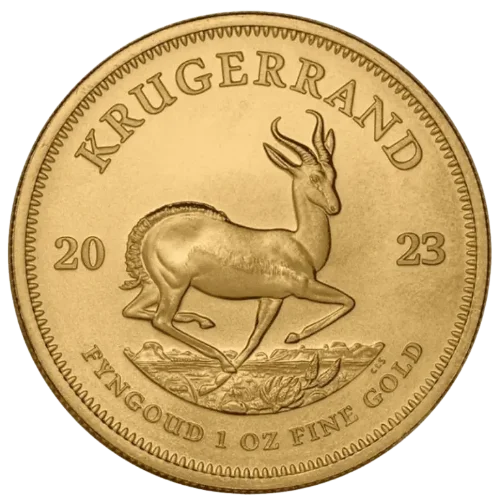
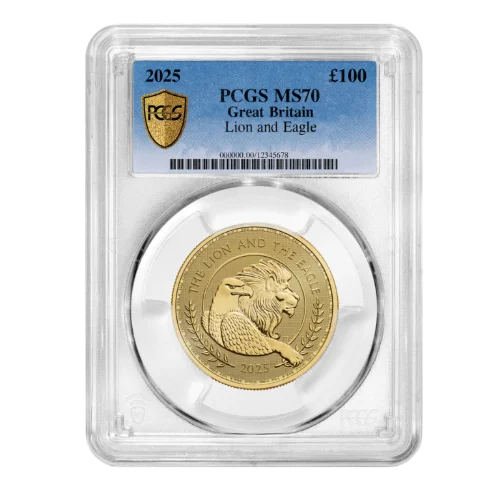
Gold coins are government-minted pieces of precious metal that typically carry a face value as legal tender in their country of origin. While this nominal value is largely symbolic, it can provide certain advantages for investors.
In the UK, some of the most widely purchased examples include:
2026 Sovereign ‘Yellow Gold’ Gold Coin

2026 Britannia KCIII 1oz Gold Coin

One noteworthy feature of these coins is that they are classified as UK legal tender, meaning UK residents are typically exempt from Capital Gains Tax (CGT) when sold.
This tax treatment is one of the reasons gold coins have become particularly popular among UK investors who wish to hold physical gold while maintaining tax efficiency.
In addition to this potential tax advantage, gold coins offer several practical benefits:
Capital Gains Tax exemption for UK investors
Many UK-issued coins, including Britannias and Sovereigns, qualify as legal tender. This means that any gains realised when selling them are typically exempt from Capital Gains Tax for UK residents, which can make them a particularly attractive option for long-term precious metals investors.
Liquidity and recognisability
Coins produced by established national mints are globally recognised and widely traded. This strong recognisability can make them easier to sell when compared with less familiar bullion products.
Smaller denominations and flexibility
Coins are typically produced in smaller units than most bullion bars. This allows investors to sell portions of their holdings more easily rather than needing to liquidate a larger single asset.
Potential collector interest
Some coins may attract additional collector demand due to design, limited mintage, or historical significance. While this should not be relied upon as an investment driver, it can occasionally provide an additional layer of market interest.
Understanding Gold Bars
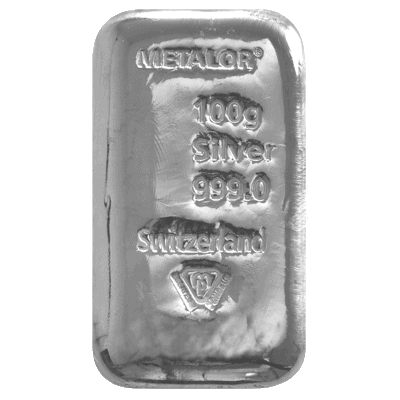
Gold bars, sometimes referred to as bullion bars, are typically produced by accredited refiners rather than national mints. They are valued almost entirely for their gold content and purity, which is commonly 99.99%.
Bars are usually available in a wide range of sizes, from smaller investment bars such as 1oz pieces through to larger bars weighing several hundred grams or more.
Some characteristics of gold bars include:
Lower premiums relative to metal content
Because bars are generally simpler to produce than coins, they may sometimes carry slightly lower manufacturing costs relative to their gold weight.
Efficient storage for larger allocations
For investors purchasing larger quantities of gold, bars can provide a space-efficient way to store precious metal.
Straightforward bullion pricing
The price of a gold bar typically tracks the live gold market price closely, with a modest premium covering manufacturing and distribution.
However, unlike UK legal tender coins, most gold bars do not benefit from Capital Gains Tax exemption for UK investors, which may be an important consideration depending on an investor’s circumstances.
Liquidity and Flexibility Considerations
Liquidity is an important consideration when purchasing physical gold.
Because coins are often purchased in smaller denominations, they can provide greater flexibility when it comes to selling part of an investment. For example, an investor may choose to sell a single coin while retaining the remainder of their holding.
Gold bars, particularly larger ones, may be more suited to investors allocating substantial sums who intend to hold their position over longer time horizons.
Ultimately, both coins and bars are widely traded within the global precious metals market, provided they originate from reputable mints or refiners.
Tax Considerations for UK Investors
For many UK investors, tax efficiency plays an important role when deciding between coins and bars.
Certain UK gold coins, including Britannias and Sovereigns, are recognised as legal tender and are therefore typically exempt from Capital Gains Tax for UK residents.
Gold bars, by contrast, are generally treated as taxable assets for capital gains purposes.
This distinction means that coins are often favoured by investors who wish to maintain a tax-efficient precious metals allocation.
Tax treatment can vary depending on individual circumstances, and investors may wish to consult a professional before making decisions based on tax considerations.
Which Option Works Best?
There is no universal answer to the question of gold coins or gold bars. Instead, the most appropriate option often depends on an investor’s objectives.
Gold coins may be particularly attractive for investors who value:
- Capital Gains Tax exemption on qualifying UK legal tender
- Flexibility through smaller denominations
- Strong global recognisability and liquidity
Gold bars may appeal to investors looking for:
- Efficient storage for larger holdings
- Simple bullion exposure closely tracking the gold price
- Lower premiums relative to weight in some cases
In practice, many investors choose to hold a combination of both, balancing the tax efficiency and flexibility of coins with the storage efficiency of larger bullion bars.

The Importance of Credible Suppliers
Regardless of whether an investor chooses coins or bars, purchasing from a reputable precious metals provider is important.
Established suppliers can help ensure that products originate from recognised mints or refiners and that appropriate authentication, storage, and delivery procedures are followed.
Investors may also wish to consider insured delivery, safe storage options, and ongoing support when selecting a provider.
When comparing gold coins or gold bars, both offer a way to gain exposure to physical gold.
Coins often offer flexibility and potential tax advantages for UK investors, while bars can provide clarity and efficiency for larger allocations.
The most appropriate option will ultimately depend on an individual’s investment goals, tax position, and preferences regarding liquidity and storage.
For investors exploring precious metals for the first time, knowing these differences may help inform a more deliberate and considered approach to physical gold ownership.
Disclaimer:
This blog is for informational purposes only and does not constitute financial advice. Buying physical gold as an investment involves risk, as the value of precious metal prices can be volatile. Historical financial performance does not necessarily give a guide of future financial performance. We recommend that you conduct your own independent research and seek professional tax, legal and financial advice before making any investment decisions.