

Gold has long been recognised as a tangible store of value and is often discussed in the context of long-term wealth preservation. For UK investors, physical gold remains one of the most direct ways to gain exposure to the asset.
This guide explains how to invest in gold in the UK, with a focus on physical gold bars, coins, and graded coins, and the key considerations associated with each.
Why Physical Gold?
Physical gold differs from other forms of investment exposure in that it represents direct ownership of a tangible asset.
It is commonly referenced in discussions around:
- Wealth preservation over longer time horizons
- Portfolio diversification across asset classes
- Ownership outside of the financial system
- Intergenerational wealth planning
As with any asset, the value of gold can fluctuate and is not guaranteed to rise.
How to Invest in Physical Gold in the UK
When considering how to invest in gold in the UK, physical gold generally falls into three main categories:
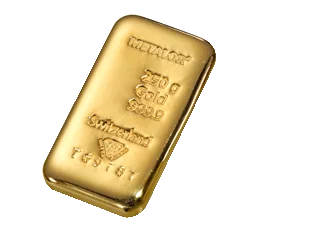
1. Gold Bars
Gold bars are a straightforward form of physical gold.
Key characteristics:
- Typically available in weights ranging from 1g to 1kg
- Lower premiums per gram compared to coins
- Commonly produced at 99.99% purity (24 carat)
- Often chosen for larger allocations
Considerations:
- Bars are valued primarily on gold content rather than collectability
- Larger bars may be less flexible to sell in smaller portions
- Storage and insurance should be factored in
Gold bars are often associated with efficiency in terms of cost per gram, particularly at higher weights.
View our full range of gold bars here.
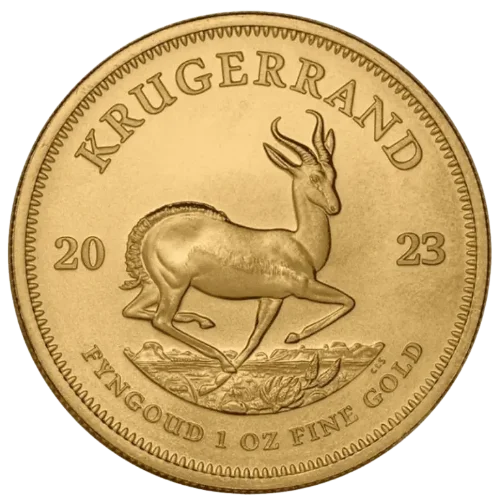
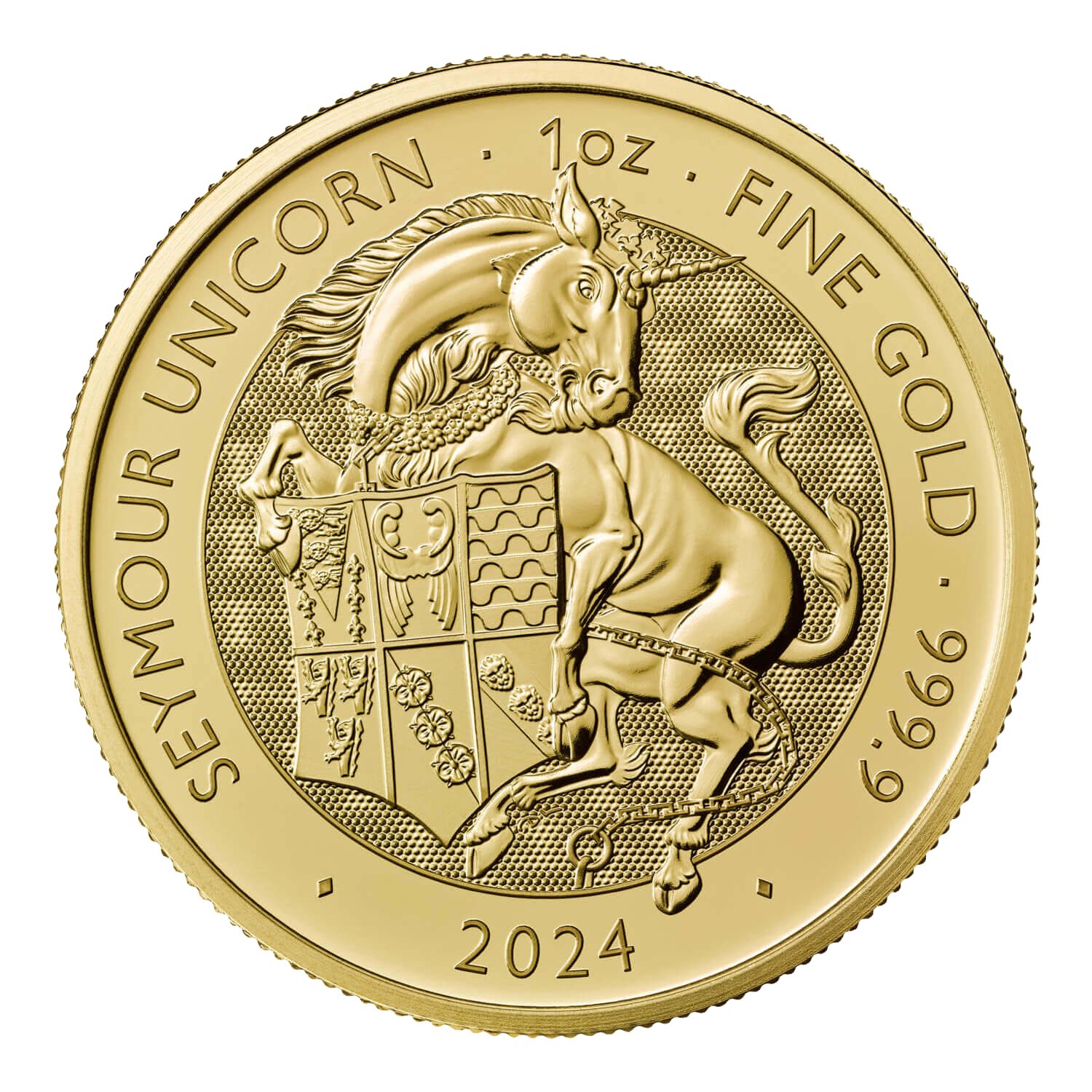
2. Gold Coins (UK Legal Tender)
Gold coins are one of the most widely purchased forms of physical gold in the UK.
Examples include:
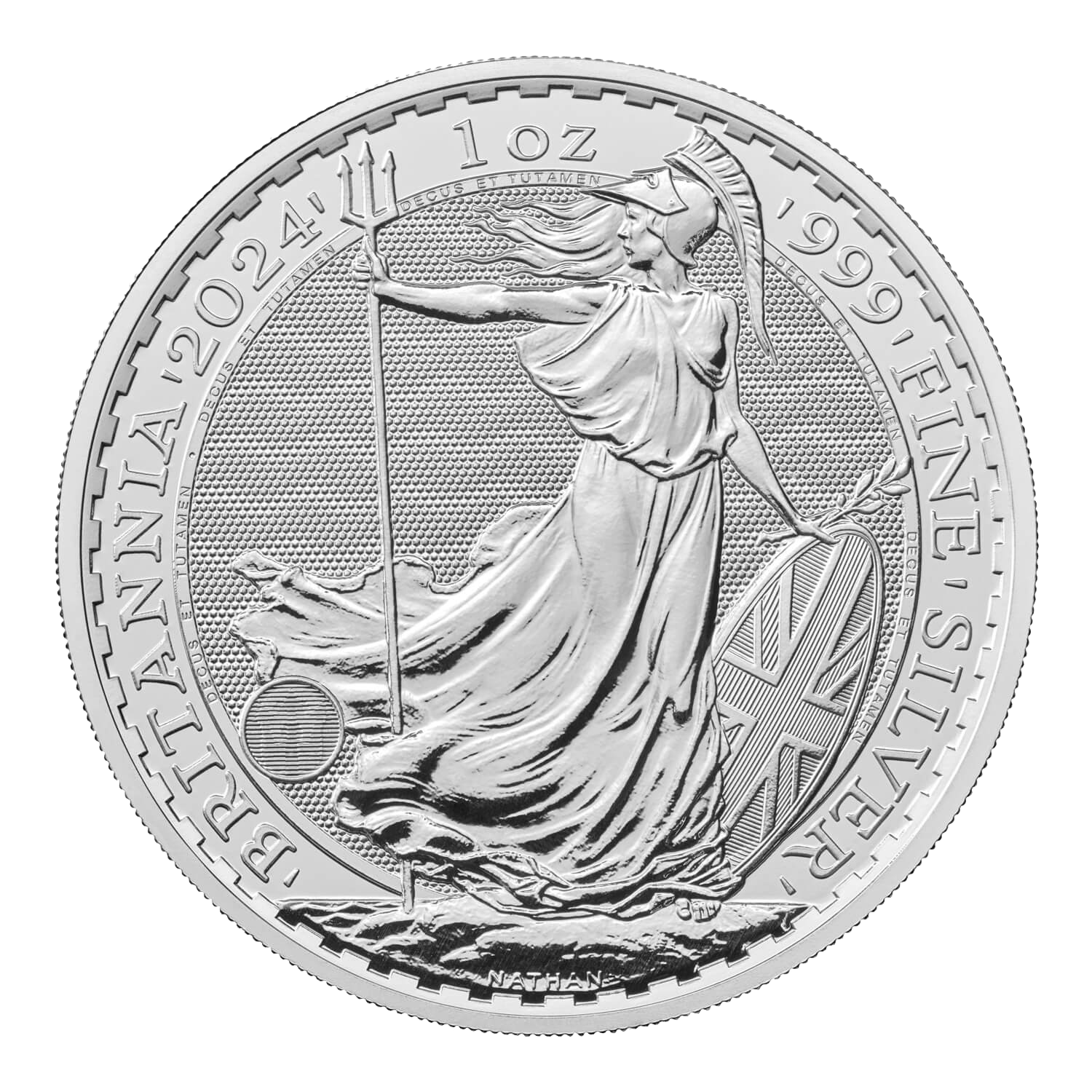
- Britannia coins
- Sovereign coins
Key characteristics:
- Recognised and widely traded
- Produced by institutions such as The Royal Mint
- Often carry historical and cultural significance
UK tax considerations:
- Investment-grade gold (99.5% purity or higher) is VAT-free in the UK
- Certain UK legal tender coins are generally treated as exempt from Capital Gains Tax (CGT) under current HMRC rules
Considerations:
- Coins typically carry higher premiums than bars
- Premiums can vary depending on demand and minting year
- They may offer greater flexibility when selling in smaller quantities
Gold coins are often discussed in the context of both accessibility and potential tax efficiency, depending on the specific coin.
View our full range of gold coins here.
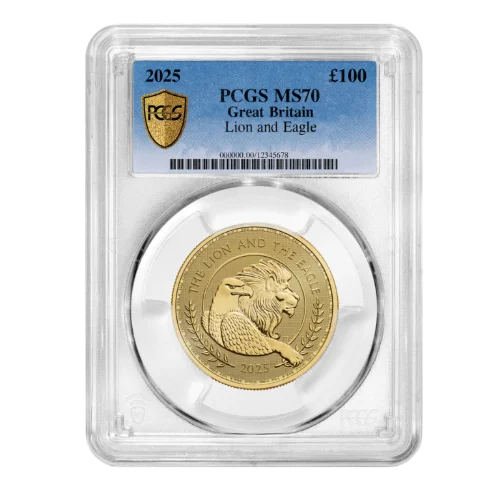
3. Graded Gold Coins
Graded coins represent a more specialist segment of the physical gold market.
These are coins that have been independently assessed and certified by grading authorities such as PCGS or NGC.
Key characteristics:
- Assigned a grade based on condition (e.g. MS70, MS69)
- Encapsulated and authenticated
- Can carry collectable and numismatic premiums
Considerations:
- Pricing reflects both gold content and rarity/condition
- Premiums can vary significantly depending on grade and scarcity
- The market may be more specialised compared to standard bullion
Graded coins are often positioned at the intersection of precious metals and collectables, where value is influenced by more than just the underlying gold price.
View our full range of graded gold coins here.
How Gold Pricing Works
Regardless of format, gold pricing is typically made up of two components:
- The live gold price (spot price)
- A premium, which may include:
- Manufacturing and minting
- Distribution and logistics
- Dealer margin
- In the case of graded coins, rarity and condition
Understanding this structure is key when comparing different products.
Storage and Ownership Considerations
When purchasing physical gold, storage is an important factor.
Common options include:
- Personal storage (e.g. home safes)
- Professional vaulting services
Institutional vaulting providers often use the same secure logistics networks used by banks, including fully insured and audited facilities.
Each approach carries different considerations in terms of access, cost, and security.
Risks and Considerations
Physical gold should be understood within a broader risk context:
- Prices can move up or down over time
- It does not generate income (such as dividends or interest)
- Premiums paid at purchase may not always be recoverable
- Liquidity can vary depending on the product type
Different formats of gold (bars, coins, graded coins) may behave differently under varying market conditions.
Understanding how to invest in gold in the UK involves becoming familiar with the different types of physical gold available and how they function.
Gold bars, coins, and graded coins each offer distinct characteristics, with differences in pricing, liquidity, and market behaviour. The appropriate structure will depend on individual preferences, time horizons, and objectives.
Speak to a member of the Solomon Global Team to find out more about the different options and which works best for you.