

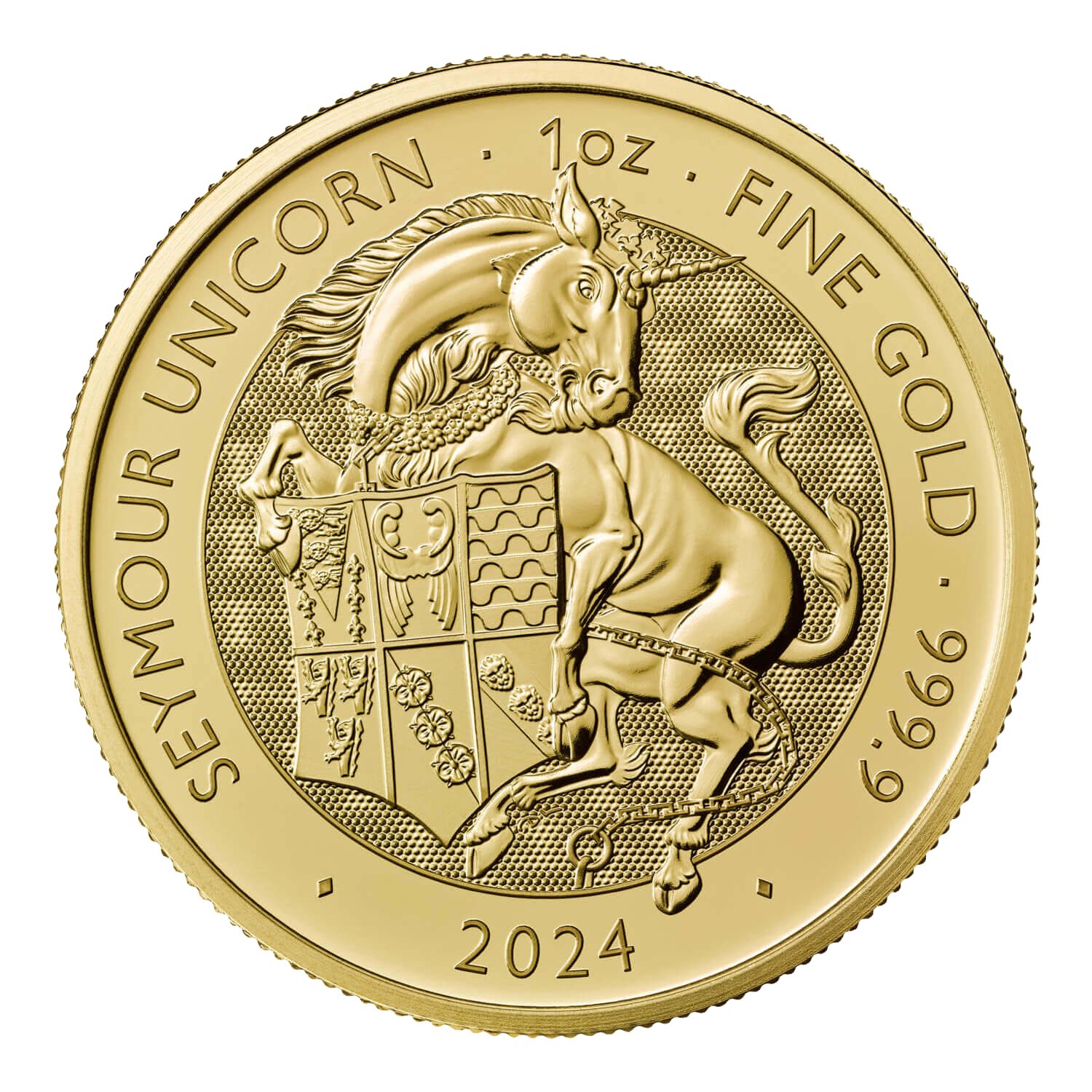

Worried about giving up a chunk of your profits if gold prices rise? For UK investors, keeping more of your gains comes down to understanding how gold is taxed. Gold is seen as a physical asset outside traditional financial markets, but what really sets certain gold coins apart is their unique tax treatment. Under current UK legislation, some gold coins may be exempt from Capital Gains Tax (CGT), allowing investors to potentially keep more of what they earn.
Understanding how to buy tax free gold in the UK involves knowing which types of gold qualify, how the tax rules work, and how to purchase eligible coins through reputable providers. This guide explains the essential points investors should understand before buying gold in a tax-efficient way.
Why Some Gold Is Tax Free in the UK
In the UK, you usually owe tax on any profit you make when you sell an asset for more than you paid for it. But there is an important exception for certain UK legal tender gold coins.
Coins that are classified as legal tender in the United Kingdom are generally treated differently from other investment assets. Under current UK tax rules, gains made on qualifying legal tender coins are typically exempt from Capital Gains Tax for UK residents.
This tax treatment is one reason some investors choose to hold specific British gold coins as part of a diversified portfolio.
It is important to note that tax treatment is based on individual circumstances and may change in the future, so investors should seek professional advice where necessary.
Which Gold Coins Are Tax Free?
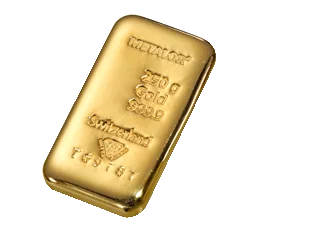
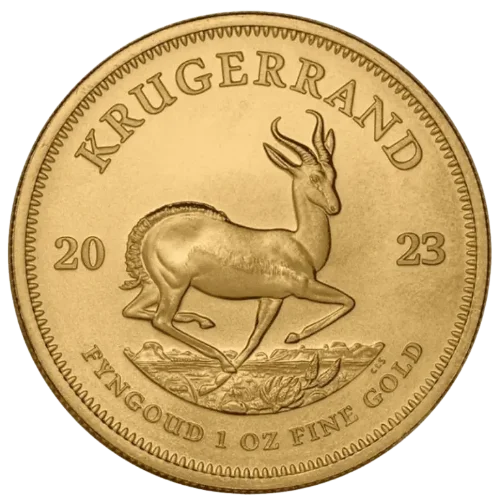
Not all gold products qualify for Capital Gains Tax exemption. For example, gold bars and many foreign gold coins, such as South African Krugerrands or American Eagles, remain subject to CGT when sold at a profit. If you sold a Krugerrand and made a £2,000 profit, HMRC would still expect you to pay Capital Gains Tax on that gain. Knowing these distinctions can help you avoid unexpected tax charges.
Ask these two questions before you buy:
- Is the coin legal tender in the United Kingdom?
- Is it produced by an official mint, such as the Royal Mint?
If you can answer “yes” to both, the coin is likely to be CGT-exempt under current rules.
Two of the most widely recognised examples are Gold Sovereigns and Gold Britannias.

Gold Sovereigns
The Gold Sovereign is one of the most historic coins ever issued by the Royal Mint. First introduced in 1817, it is still produced today and remains legal tender in the UK.
Sovereigns contain just under a quarter of an ounce of gold and are widely recognised by investors and collectors worldwide. Because they are UK legal tender coins, they are generally considered CGT-exempt for UK residents under current tax rules.

Gold Britannias
The Gold Britannia was introduced by the Royal Mint in 1987 and has become one of the most widely traded bullion coins in the world. The coin contains one troy ounce of gold and, in more recent issues, features modern security features.
Like Sovereigns, Britannias are legal tender in the UK and therefore typically qualify for Capital Gains Tax exemption when held by UK investors.
View our range of Gold Britannias.
VAT and Investment Gold
Another important aspect of gold ownership in the UK is VAT treatment.
Investment-grade gold is generally exempt from Value Added Tax (VAT). This includes:
- Gold bars meeting the required purity standards (usually 995 or higher)
- Certain gold bullion coins that are recognised as investment gold
However, while gold bars benefit from VAT exemption, they do not normally qualify for Capital Gains Tax exemption. This is one reason some investors choose UK legal tender coins, which may benefit from both VAT exemption and CGT exemption.
Investors should confirm the tax status of any product before purchase.
Why Some Investors Consider Tax-Efficient Gold Coins
Gold has traditionally played a role in financial markets and has been held by central banks, institutions, and private individuals for centuries. Some investors consider gold during periods of:
- Inflation
- Currency weakness
- Financial market volatility
- Geopolitical uncertainty
Physical gold is a tangible asset that does not rely on the financial strength of a company or institution. For this reason, some individuals choose to hold it as a portion of a broader portfolio that may include equities, property, or other assets.
The tax treatment of certain UK coins can be an additional factor investors consider when deciding how to allocate to gold.

How to Buy Tax Free Gold in the UK
For people exploring how to buy tax free gold in the UK, there are several useful steps that may help ensure the correct products are purchased.
1. Choose Eligible Coins
Investors should ensure the coins they purchase qualify for Capital Gains Tax exemption. The most commonly purchased options include:
- Gold Sovereigns
- Gold Britannias
Other UK legal tender coins may also qualify depending on their status.
2. Buy From an Established Precious Metals Dealer
When purchasing gold, many investors choose to work with established dealers that provide:
- Honest pricing
- Verification of authenticity
- Insured delivery options
- Buyback services
Working with an established provider can help ensure the gold being purchased conforms to the necessary standards.
3. Consider Storage Options
Physical gold can be stored privately or within professional vaulting facilities.
Some investors prefer to store gold personally, while others choose secure vault storage with insurance coverage. The most suitable option depends on personal preference and the size of the holding.
4. Understand the Long-Term Nature of Gold
Like any asset, gold prices can change over time, and these fluctuations can lead to opportunity costs depending on when you choose to buy or sell. To illustrate this, consider the difference between holding gold for 10 years compared to selling after just 12 months.
Viewing time as a strategic lever transforms gold from a quick trade into a way of preserving and potentially growing wealth over the long term. This mindset shift supports patience and allows investors to focus on gold’s enduring value rather than short-term price movements.
Understanding this perspective can help ensure expectations remain realistic when buying physical precious metals.
Understanding how to buy tax-free gold in the UK largely comes down to selecting the correct products. UK legal tender coins such as Gold Sovereigns and Gold Britannias are widely recognised for their potential tax advantages under current legislation.
For investors interested in holding physical gold, these coins may offer a way to combine tangible asset ownership with a tax-efficient structure.
Before purchasing any precious metals, it is advisable to research the market diligently and consider how gold fits within a wider financial strategy.
Disclaimer: This blog is for informational purposes only and does not constitute financial advice. Buying physical gold as an investment involves risk, as the value of precious metal prices can be volatile. Historical financial performance does not necessarily give a guide of future financial performance. We recommend that you conduct your own independent research and seek professional tax, legal and financial advice before making any investment decisions.