
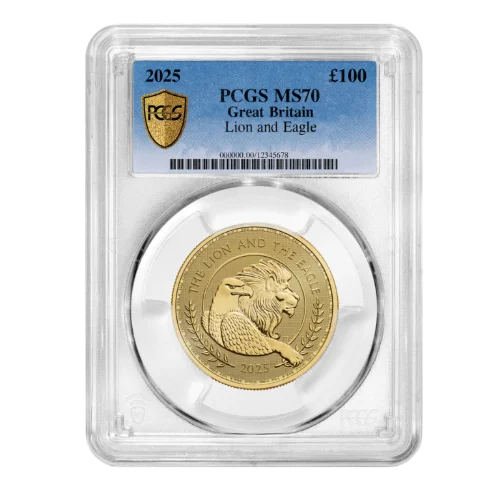
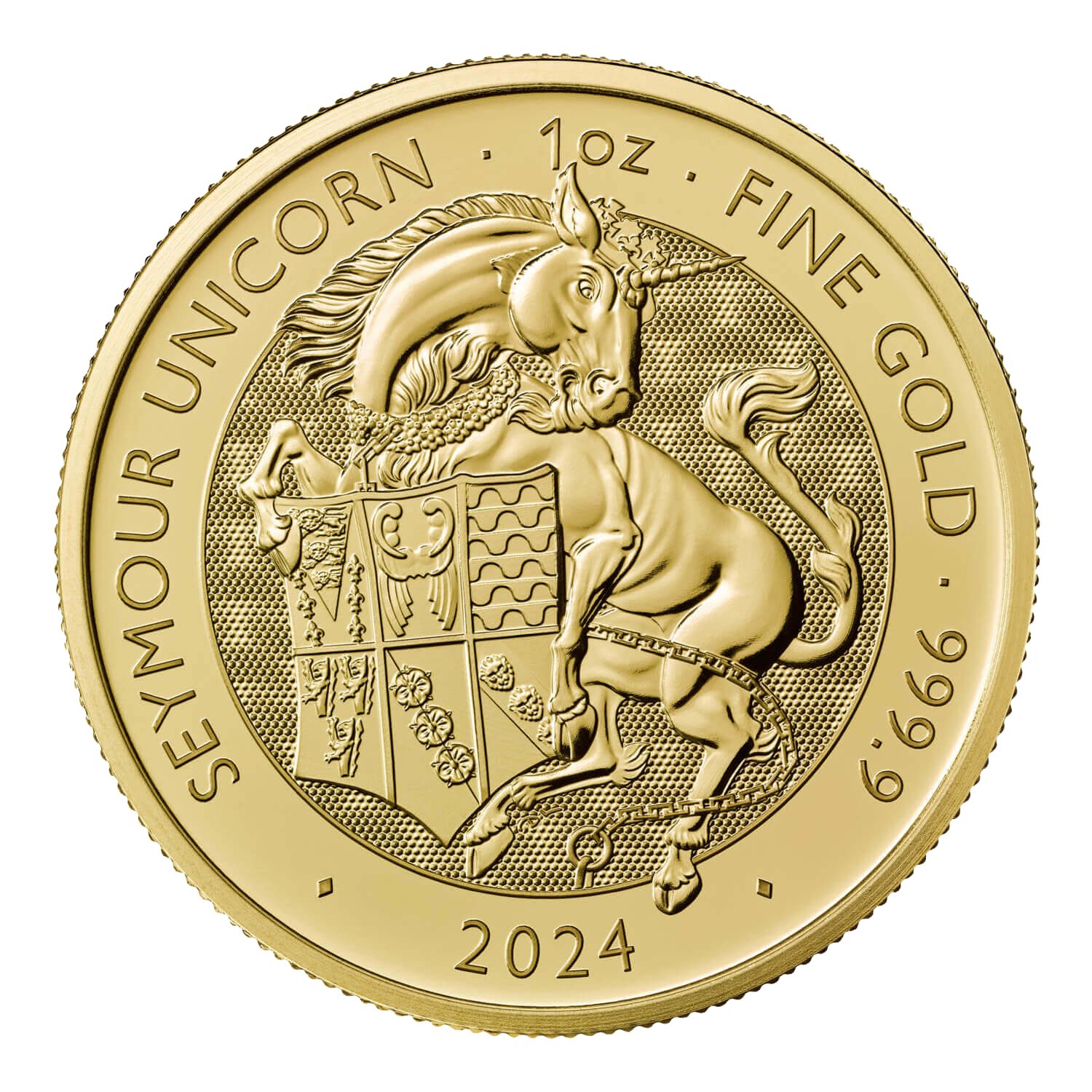

The global financial world has turned its gaze toward Venezuela, and not just for its vast oil reserves. Recent geopolitical developments in the country are driving global markets and investor sentiment in powerful ways, particularly in the precious metals space. As political instability intensifies, investors are increasingly seeking out Gold Safe Haven investments to preserve wealth and hedge against uncertainty.
Why Venezuela Is Capturing Investor Attention
Venezuela has long been a symbol of economic and political turmoil, from prolonged hyperinflation to currency instability that has eroded the value of savings for everyday Venezuelans. For instance, as of the latest reports, the IMF calculates Venezuela's annual inflation rate is to exceed 200% in 2026. In addition, the country's GDP has contracted significantly, contributing to a frail economy. Recent events have amplified this tension, making the country a flashpoint in global markets.
Just this week, dramatic geopolitical headlines, including the capture and legal proceedings involving Venezuelan President Nicolás Maduro, have shaken market confidence and increased risk perceptions among investors. These developments have sparked fresh volatility across risky assets, prompting a renewed flight to safer alternatives. Furthermore, the possibility of disrupted oil exports due to political turmoil could escalate concerns in commodity-linked economies. This scenario amplifies gold's appeal as a hedge, as investors seek stability in precious metals amid uncertainties in energy supply chains.
Gold’s Safe Haven Status Strengthens
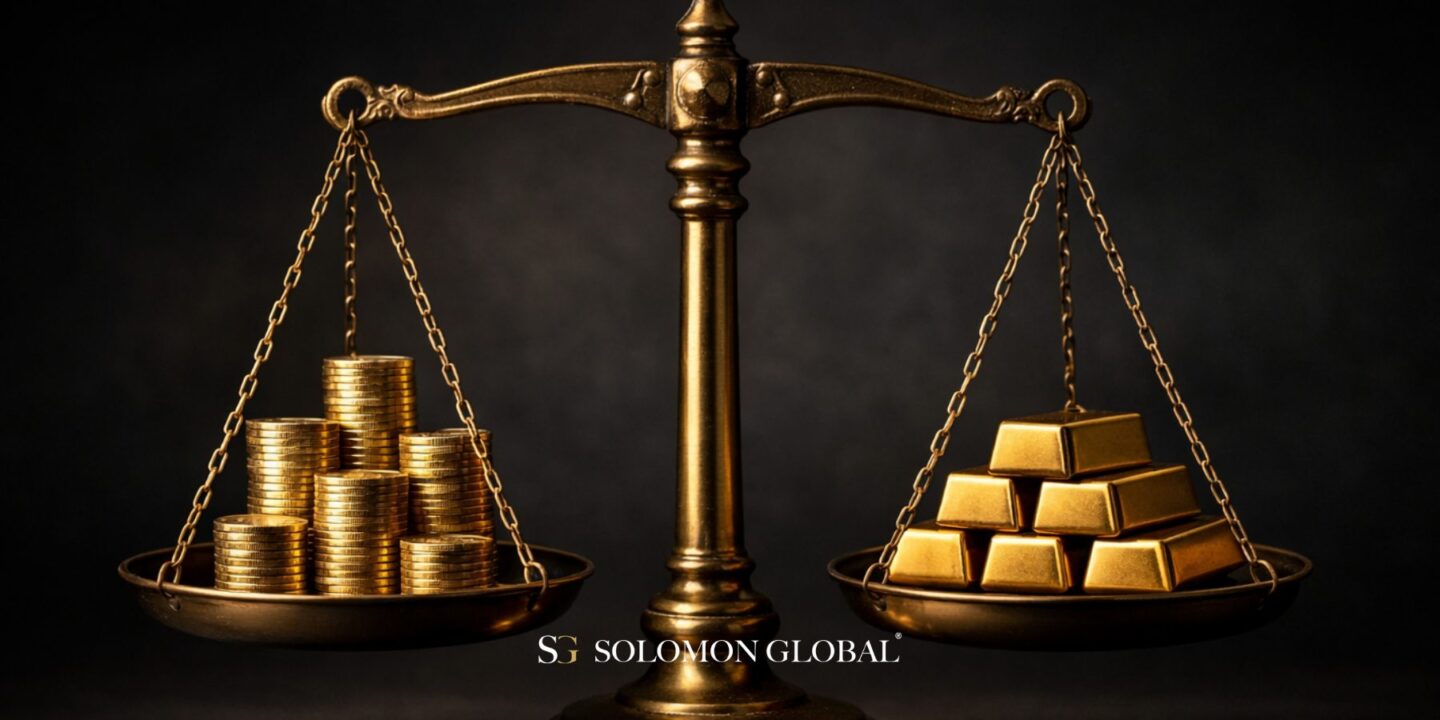
When global uncertainty rises, gold historically benefits from inflows as a Gold Safe Haven asset. Investors view gold as a trusted store of value, particularly when traditional markets fluctuate. Unlike stocks or bonds, gold’s intrinsic properties and long track record help it retain purchasing power during crises. Moreover, gold offers a distinct advantage due to its zero-counterparty risk, in contrast to the default risk inherent in bonds. This makes gold a more attractive asset during systemic shocks.
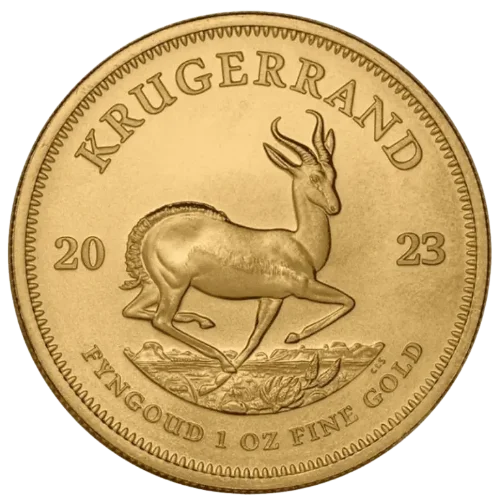
In the current climate, gold prices have climbed to weekly highs, with spot gold rising above $4,400 per ounce amid ongoing concerns over Venezuela’s instability. This surge reflects a classic safe-haven response: when confidence in equities wavers, gold often becomes a refuge.
How the Venezuela Crisis Impacts Gold Markets
Several market drivers are converging to boost gold’s appeal:
1. Geopolitical Uncertainty
Recent tensions involving Venezuela have heightened geopolitical risk, prompting investors to reweigh portfolios toward defensive assets such as gold. This safe-haven demand has been one of the catalysts behind gold’s recent gains.
2. Macro and Monetary Trends
Gold’s gains are not just about geopolitics. With expectations of central bank rate cuts in major economies like the United States, lower real yields decrease the opportunity cost of holding gold, a non-yielding asset, making Venezuela Gold and global bullion more attractive. For instance, if real yields fall from 5% to 3%, gold becomes more appealing as the foregone interest earnings are reduced, prompting more investors to shift towards gold due to its stability.
3. Inflation and Currency Risks
Investors around the world remain wary of inflationary pressures and currency devaluation. As a hedge against weakening currencies and rising inflation, gold continues to shine bright as a store of value. This dynamic is especially relevant for emerging markets grappling with fiscal stress.

Global Market Reactions
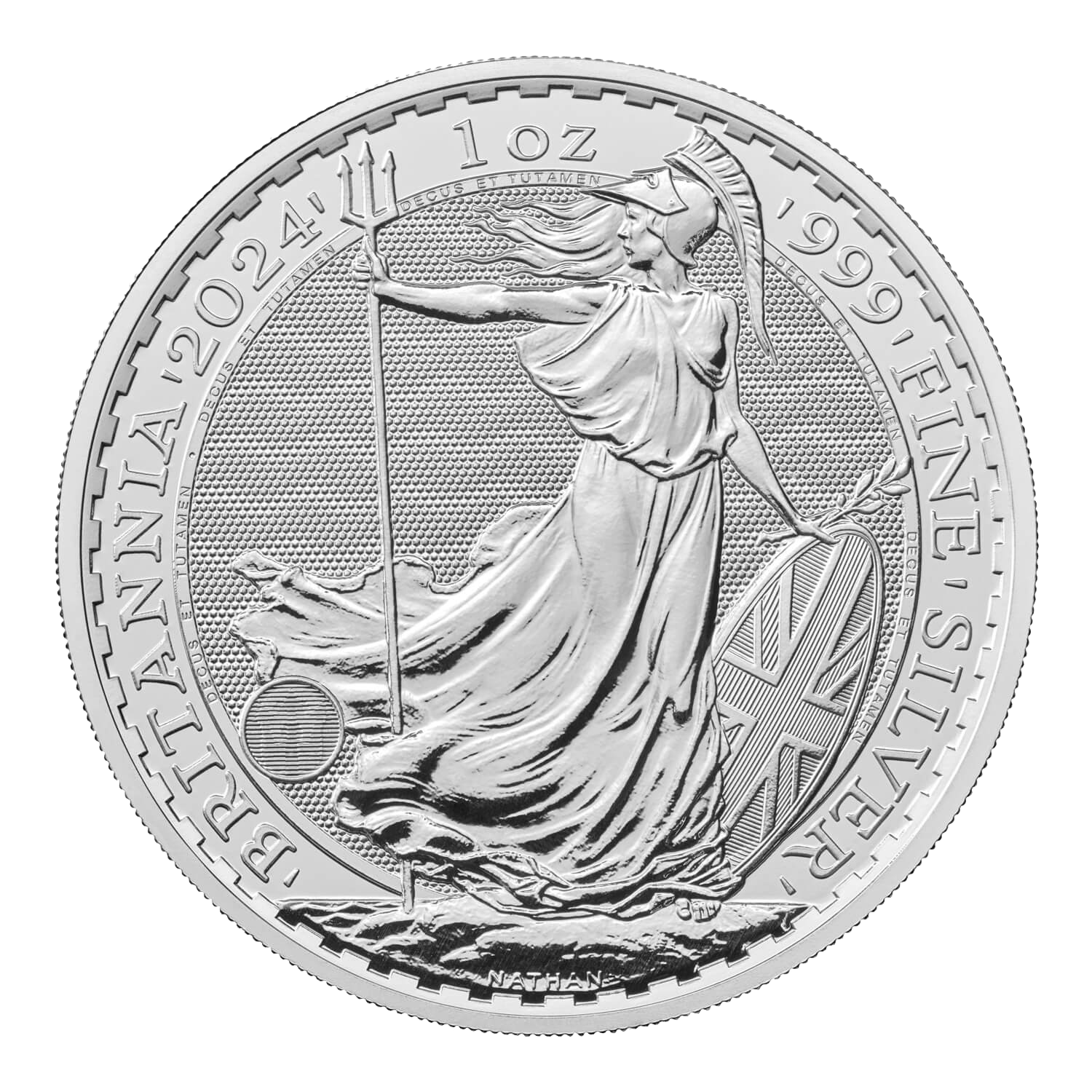
The rush toward gold has broader market implications. Precious metals mining stocks and bullion-backed ETFs have enjoyed increased interest, while equities sensitive to geopolitical risk have shown heightened volatility. Safe-haven demand has also lifted silver and platinum prices alongside gold.
Solomon Global’s Takeaway
In times of geopolitical stress and economic uncertainty, traditional barriers between markets break down, and investors seek assets that hold value through volatility. Gold Safe Haven demand tends to rise precisely when confidence in political and economic leadership is shaken, as we are now seeing with events tied to Venezuela.
To determine the right gold allocation size that matches your risk profile, consider this guiding question: What proportion of your portfolio are you willing to allocate to a stable but non-yielding asset like gold? Experts often suggest starting with a 5–10% exposure to precious metals, depending on your investment goals and tolerance for risk. For investors considering exposure to precious metals, understanding how global instability influences prices is essential. Venezuela Gold, both as a geopolitical symbol and as part of broader asset allocation strategies, highlights gold’s enduring role as a refuge amid global uncertainty.