
As we enter a new year, the Gold Investment Outlook 2026 is an essential tool for anyone with holdings in Gold or an intention to enter the market, investors are reassessing how best to protect and grow wealth amid persistent inflationary pressure, geopolitical uncertainty, and structural changes in global markets. A recent real-world example that vividly illustrates these concerns occurred when a major economic power faced a sudden political shift that led to a spike in oil prices and disrupted global supply chains, thereby exacerbating inflation. Against this backdrop, Gold continues to attract attention as both a defensive asset and a long-term store of value.
The macro backdrop shaping Gold in 2026
Gold does not exist in isolation. Its performance is heavily influenced by monetary policy, currency confidence, and global risk sentiment. For instance, when central banks lower interest rates to stimulate economic growth, the real yield on traditional savings instruments might decrease. This could lead to a situation where the returns on cash accounts fail to outpace inflation, making Gold an attractive alternative as its value is often perceived as maintaining purchasing power. During periods of volatile currency value, investing in Gold can help protect against currency depreciation, offering stability in otherwise uncertain financial landscapes.
In the UK, interest rate expectations remain fluid. While inflation has moderated from its peak, it remains structurally higher than pre-pandemic norms. To provide context, the current inflation pattern echoes the challenging times of the 1970s and 2008, where inflation substantially impacted economic stability, albeit the causes and dynamics differ. Central banks are walking a fine line between supporting growth and maintaining credibility.
The Bank of England continues to signal caution, reflecting the broader global challenge facing policymakers. Historically, such environments have been constructive for Gold, particularly when real yields are compressed and confidence in fiat currencies is under pressure. As a practical insight, when UK 10-year real yields fall below 0%, it often signals a beneficial period for Gold investment, as low or negative real yields typically enhance Gold's appeal as a hedge against inflation and eroding currency value.
At the same time, geopolitical risk remains elevated. Ongoing conflicts, trade fragmentation and political polarisation have reinforced Gold’s role as a hedge against systemic uncertainty.
Gold market outlook: supply, demand and central banks
A key pillar of the current Gold market outlook is central bank demand. Over the past several years, central banks have been net buyers of Gold at levels not seen in decades.
According to data and commentary frequently cited by the World Gold Council, official-sector buying has become a structural rather than a cyclical driver. Many emerging-market central banks are actively diversifying away from dollar-denominated reserves, increasing allocations to domestically held physical Gold. For example, Turkey has been significantly bolstering its Gold reserves in recent years. The Central Bank of Turkey increased its Gold holdings to mitigate currency risk and enhance financial stability, showcasing a tangible shift towards reserve diversification. This strategic move underscores Gold's importance as a stabilising force in volatile political and economic climates.
On the supply side, new mine production has remained relatively constrained. Environmental regulation, rising extraction costs and declining ore grades mean supply growth is limited. This imbalance between steady demand and tight supply underpins many bullish long-term forecasts.
Gold price forecast UK: what matters most
When investors search for a Gold price forecast in the UK, they are often seeking certainty. In reality, Gold pricing is best understood through drivers rather than point predictions.
Key influences in 2026 include:
- Sterling strength or weakness against the US dollar
- UK inflation relative to wage growth
- Central bank balance sheet policy
- Investor demand for physical versus paper Gold
For UK investors, currency effects are particularly important. Even in periods where the US dollar Gold price is stable, sterling weakness can lead to higher GBP-denominated Gold prices. For example, if the Gold price is set at $2,000/oz and the exchange rate is 1.2 USD/GBP, the price in pounds would be approximately £1,667/oz. If the exchange rate weakens to 1.5 USD/GBP, the equivalent price rises to about £1,333/oz. This dynamic has repeatedly benefited UK holders during periods of domestic economic stress.
Is Gold a good investment 2026?
The question “is Gold a good investment in 2026?” depends on intent. Its value lies in preservation, diversification and asymmetric protection. Research, such as the World Gold Council's 2023 Portfolio Optimisation Report, suggests that allocating 10-20% of a portfolio to Gold can optimise risk-adjusted returns, supporting its strategic role in a diversified investment strategy.
Gold has historically performed well when:
- Inflation erodes real returns on cash
- Equity and bond correlations rise
- Confidence in monetary policy weakens
- Geopolitical risk increases

Is Gold a good investment 2026?
The question “is Gold a good investment in 2026?” depends on intent.
Gold has historically performed well when:
- Inflation erodes real returns on cash
- Equity and bond correlations rise
- Confidence in monetary policy weakens
- Geopolitical risk increases
Physical gold and tax efficiency in the UK
A defining feature of the UK Gold investment landscape is tax treatment.
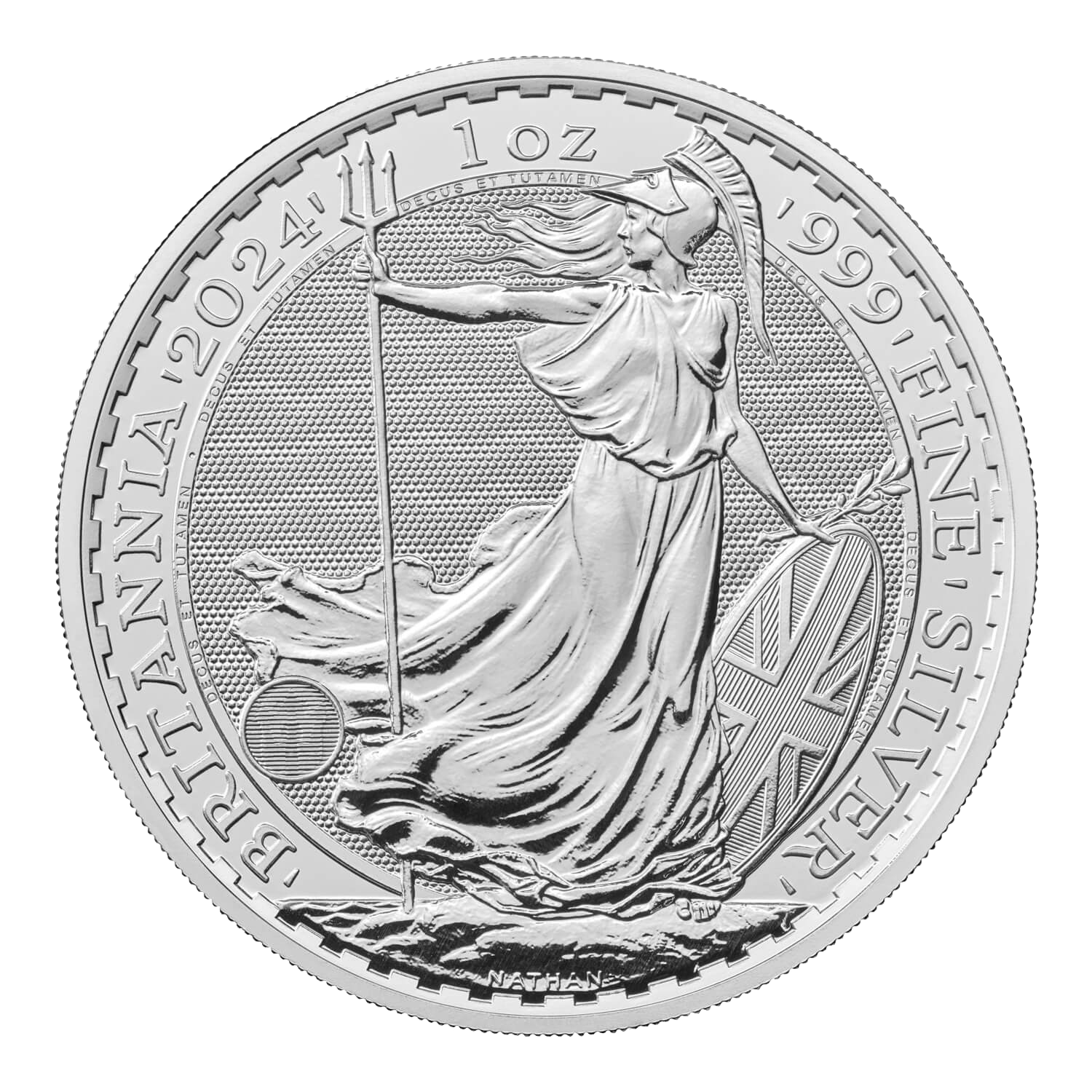
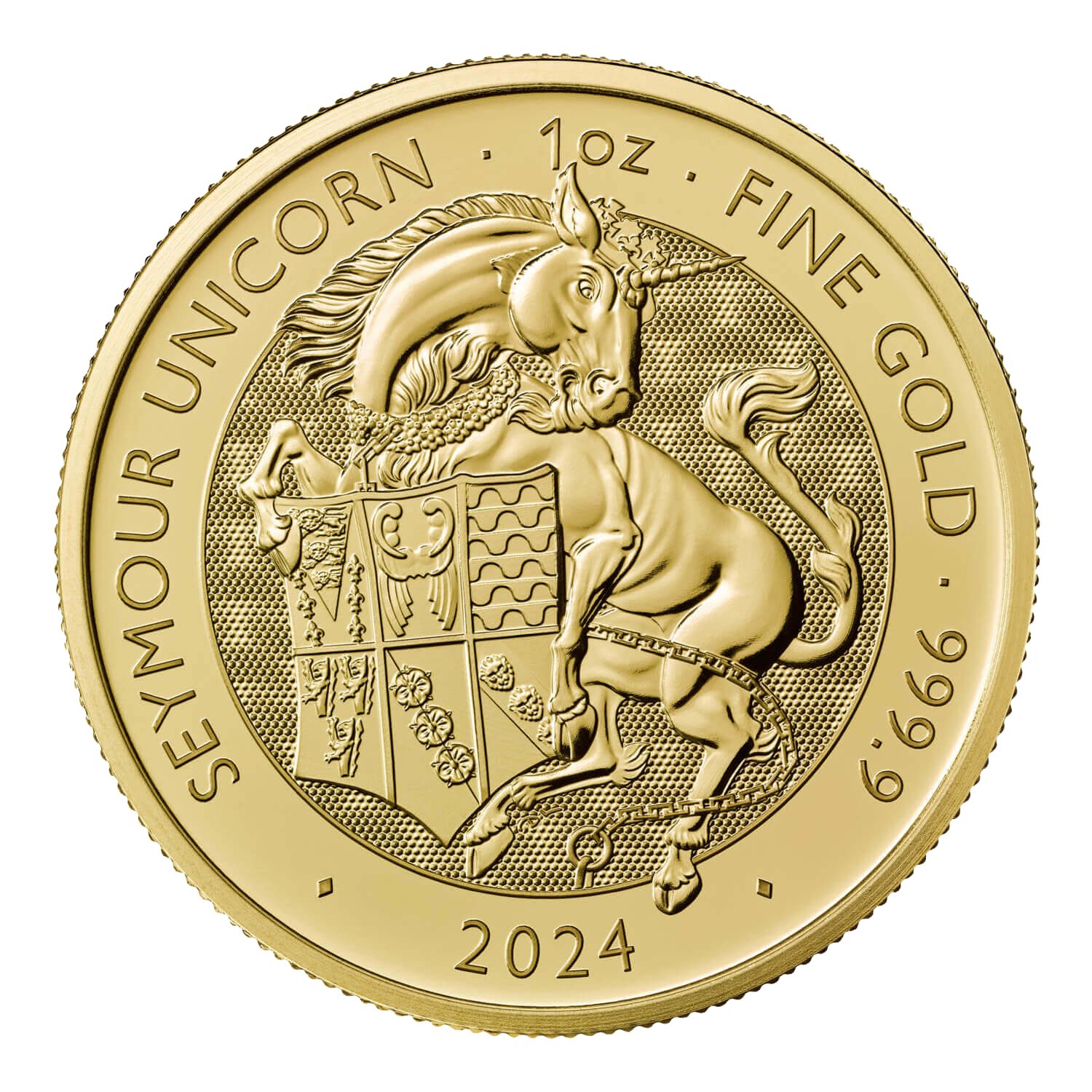
Certain coins produced by the Royal Mint, including Britannias and Sovereigns, are exempt from Capital Gains Tax for UK residents. Gold bullion is also VAT-free in the UK.
This tax efficiency materially enhances after-tax returns and is a major reason why UK demand for physical coins remains strong relative to other jurisdictions.
Why investors start the year with Gold
There is a behavioural dimension to gold buying that often goes overlooked. Investors frequently increase allocations at the start of the year as part of portfolio rebalancing, tax planning and risk management.
Gold serves as a financial reset button. It is tangible, globally recognised and independent of any single government or institution. In uncertain times, these attributes carry significant psychological and practical value.
As 2026 unfolds, gold continues to offer clarity where many other assets offer complexity.
Final thoughts: the Gold investment outlook 2026
The gold investment outlook 2026 is shaped less by short-term speculation and more by enduring structural forces. Persistent inflation risk, geopolitical instability, constrained supply and strong central bank demand all point to Gold retaining a central role in diversified portfolios.
While no asset is without risk, Gold’s unique combination of liquidity, scarcity and independence ensures it remains relevant for investors seeking resilience rather than hype. As you consider your investment strategy, reflect on this thought: Is your portfolio prepared for a future where trust in fiat currencies wanes? Such a question invites reflection, urging investors to consider the stability and foresight required in an ever-evolving economic landscape.
Disclaimer: This blog is for informational purposes only and does not constitute financial advice. Buying physical Gold as an investment involves risk, as the value of precious metal prices can be volatile. Historical financial performance does not necessarily give a guide of future financial performance. We recommend that you conduct your own independent research and seek professional tax, legal and financial advice before making any investment decisions.