



The recent Bank of England Interest Rate cut could play a pivotal role in reshaping investor portfolios, affecting the dynamics of savings, equities, property, and gold as diversification becomes increasingly critical.
Interest rate decisions influence almost every corner of the financial system. Understanding how this latest move impacts investment strategy is essential for those looking to protect and grow their wealth in an uncertain economic climate.
Why the Bank of England Interest Rate Matters
The Bank of England Interest Rate, often referred to as the Bank Rate, is the main tool the central bank uses to control inflation and manage economic growth. When rates are cut, borrowing becomes cheaper, saving returns fall, and capital flows into riskier assets.
This latest cut reflects ongoing concerns about:
- Sluggish UK economic growth
- Cooling but still elevated inflation
- Pressure on households and businesses from high living costs
While lower rates may offer short-term relief to borrowers, they also create longer-term challenges for savers and investors seeking real returns.
Impact on Traditional Investments
Cash and Savings
A lower Bank of England Interest Rate typically leads to reduced returns on savings accounts and cash ISAs. While nominal balances may remain stable, purchasing power can continue to erode if inflation outpaces interest earned.
For savers who rely heavily on cash, this environment can quietly erode real wealth over time. For instance, with an inflation rate of 4%, a cash savings balance of £10,000 could lose approximately £400 in purchasing power over a single year. This underscores the challenge of maintaining wealth when inflation outpaces interest earned.

Equities
Lower interest rates can support equity markets by reducing borrowing costs and increasing liquidity. However, this support often comes with increased volatility, particularly when rate cuts signal economic fragility rather than strength.
UK investors should be mindful that underlying economic fundamentals do not always support equity gains driven by monetary policy.
Property
Mortgage rates often fall following a Bank of England Interest Rate cut, improving affordability for some buyers. However, higher borrowing levels combined with economic uncertainty can introduce additional risk, particularly for leveraged investors. Have you considered the impact if rates were to rise by 1% next year? Such a scenario could provide a valuable stress test for your portfolio, highlighting the sensitivity of investments to interest rate fluctuations and helping sharpen your risk appraisal. Property remains sensitive to interest rate expectations, inflation trends, and employment data.
Does the Bank of England Interest Rate Cut Strengthen Gold’s Position?
For many investors, the most significant implication of a lower Bank of England Interest Rate is its impact on gold.
Lower Bank of England Rate Reduces the Opportunity Cost of Gold
Gold does not generate income, but when interest rates fall, the opportunity cost of holding gold versus cash or bonds declines. This historically strengthens gold’s appeal, particularly when real yields remain low or negative.
Inflation and Currency Considerations
If real interest rates stay below zero, gold will continue to serve as a hedge against currency debasement and inflation risk. Even as inflation moderates, it remains above the Bank of England’s long-term target.
Rate cuts can also place pressure on sterling, reinforcing gold’s role as a globally priced, currency-agnostic store of value.
Gold as a Defensive Asset
Periods of monetary easing often coincide with heightened economic uncertainty. In such environments, investors frequently turn to gold as portfolio insurance rather than a speculative asset.
This trend has been reflected in sustained global demand for physical gold from both private investors and central banks.

What This Means for UK Investors
The current Bank of England Interest Rate environment reinforces several key investment considerations:
- Cash returns may struggle to keep pace with inflation.
- Equity and property markets remain sensitive to economic data.
- Portfolio diversification is increasingly important.
- Tangible assets such as gold may play a larger defensive role.
Gold’s lack of correlation to traditional financial assets can provide balance during periods of monetary uncertainty.
Why Investors Are Turning to Physical Gold
Physical gold offers attributes that become particularly relevant during periods of falling interest rates:
- No counterparty risk
- Long-term store of value
- Freedom to sell anywhere, anytime
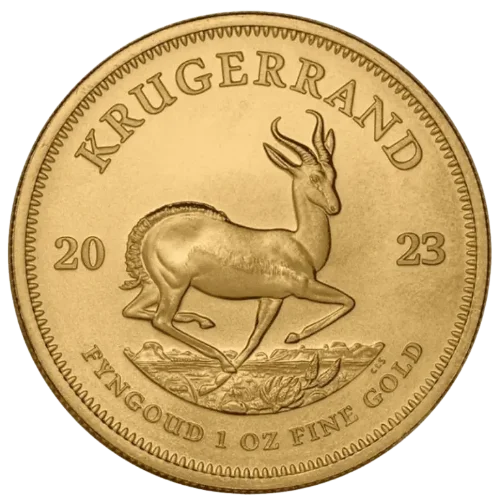
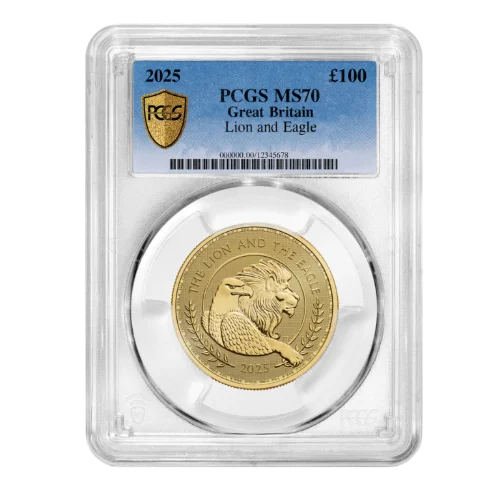
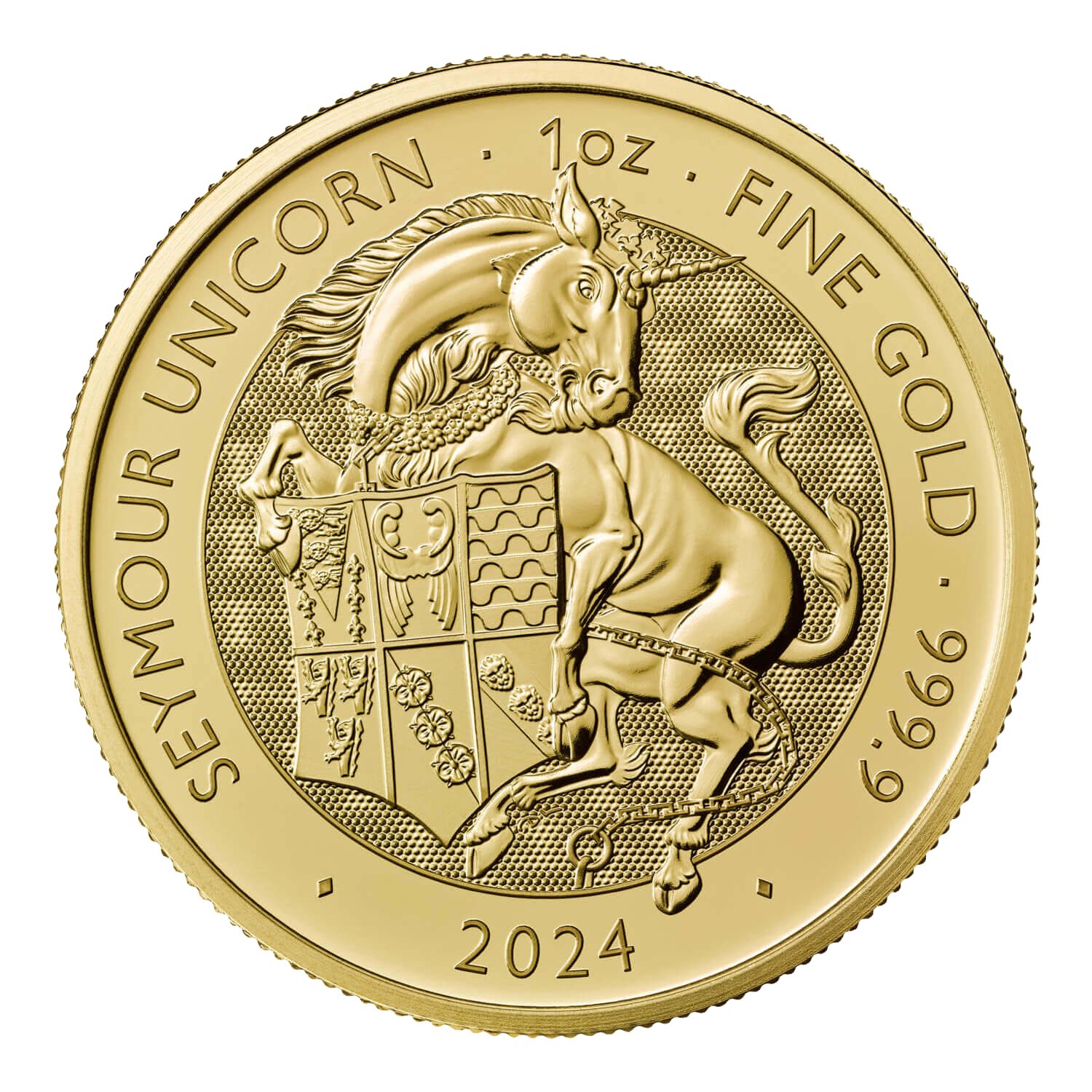
- Tax-efficient options for UK investors, including CGT-exempt Royal Mint coins
At Solomon Global, many clients cite wealth preservation, inflation protection, and portfolio stability as key reasons for increasing their exposure to gold.

The latest Bank of England Interest Rate cut highlights the challenges facing traditional savings and income-focused investments. While lower rates may support borrowing and risk assets in the short term, they also strengthen the case for assets that preserve real value over time.
For investors navigating a low-rate, high-uncertainty environment, gold continues to stand out as a strategic component of a diversified portfolio.
Disclaimer: This blog is for informational purposes only and does not constitute financial advice. Buying physical gold as an investment involves risk, as the value of precious metal prices can be volatile. Historical financial performance does not necessarily give a guide of future financial performance. We recommend that you conduct your own independent research and seek professional tax, legal and financial advice before making any investment decisions.