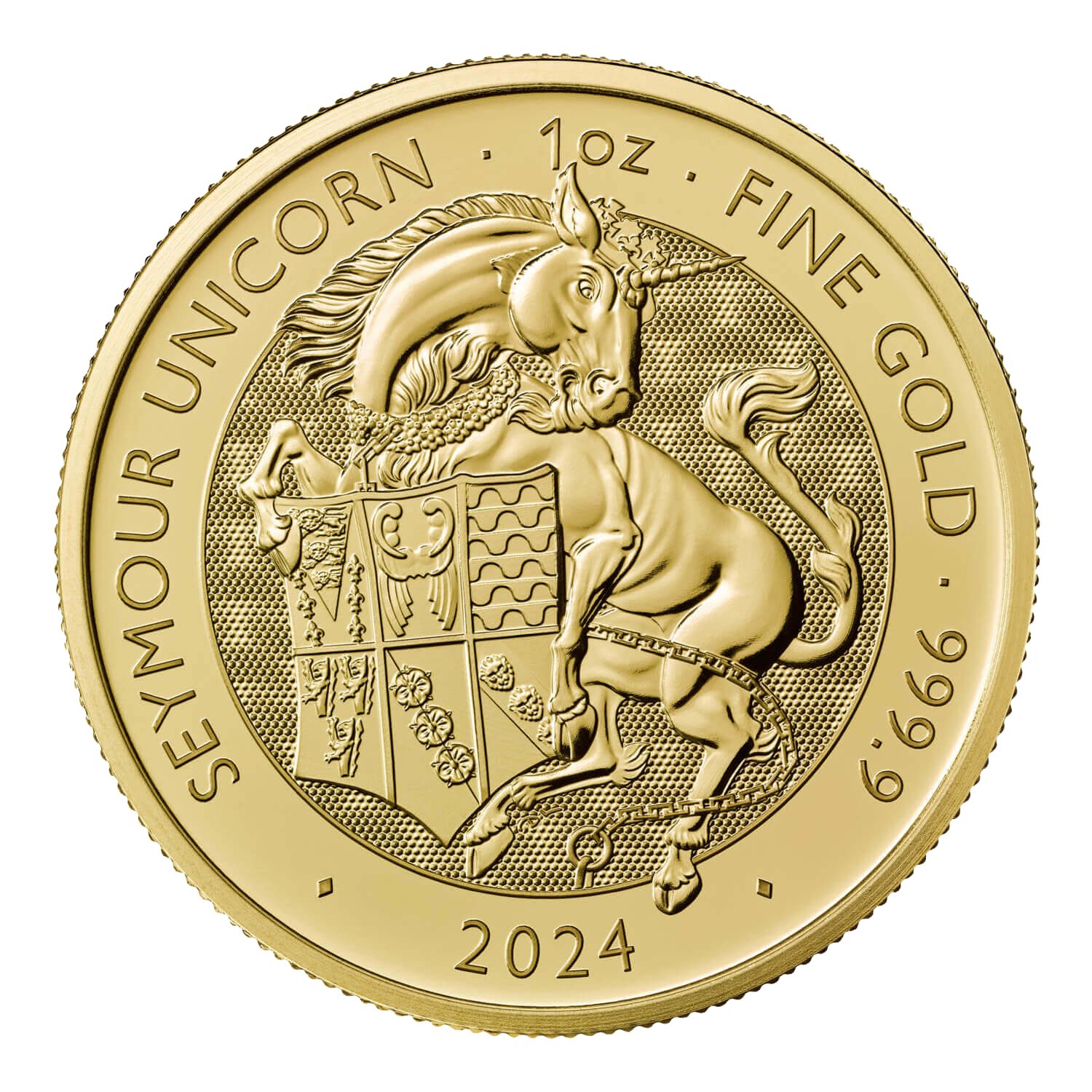

The recent drop in gold’s spot price reflects short-term macro pressures, which are being felt across a wide range of assets and markets, rather than a fundamental shift in its long-term role.
The price of oil is the headline event for all risk markets. While traditional assets, such as stocks, are coming under pressure as investors pare back exposure, gold is being hit by inflation fears and the sharp paring back of global rate cut bets. Nick Cawley, contributing analyst for Solomon Global, notes that when oil and gas begin flowing more freely through the Straits of Hormuz, markets are likely to lower global inflation expectations. In turn, this should alleviate concerns about interest rate hikes. He concludes that any substantial decline in oil prices will lead to a rise in gold prices.
Live Brent crude oil price (global benchmark)
The war in the Middle East is also threatening to push the UK economy into recession this year, with OECD forecasts suggesting that the rise in energy prices will push inflation up to the second-highest level in the G7. Paradoxically, these conditions have historically supported gold over the longer term as persistent inflation erodes purchasing power, while recession risk tends to drive demand for defensive assets such as gold.
Against this complex backdrop, short-term volatility is not unexpected. Nick Cawley adds:
“Short-term gold will be volatile, but the longer-term outlook remains positive. Trump still wants rate cuts, and pressure will be applied on the new Fed chair when he is sworn in to ease borrowing costs as soon as possible. I still think there will be 50bps of cuts in the U.S. this year, probably 25bps in both October and December.”
A similar view is echoed across the market. Dilin Wu, Research Strategist at Pepperstone, explains:
“Overall, this sharp decline in gold reflects a confluence of factors: large-scale risk asset liquidations, a hawkish shift in Fed expectations, and a stronger dollar. This appears more like a ‘pricing logic adjustment’ than a reversal of the long-term trend.
“In the medium to long term, gold’s structural support remains intact. Ongoing central bank purchases, unresolved U.S. fiscal deficits, and persistent geopolitical risk continue to underpin the metal. Thus, the current pullback is better viewed as a technical adjustment driven by news and capital reallocation rather than the end of the bull market.”
Nitesh Shah, Head of Commodities and Macroeconomic Research at WisdomTree, also believes the selloff is largely disconnected from the fundamentals and instead reflects a combination of positioning shifts and forced liquidations.
Live gold price benchmark (XAU/USD)
Only a year ago, gold was trading just above $3,000/oz and has risen over 118% in three years, meaning existing holders will have seen substantial gains in a relatively short period. Looking ahead, the longer-term outlook remains positive. Justin Lin, investment strategist at Global X ETFs, says his base case for gold remains $6,000 per ounce by year-end. UBS similarly expects gold to “rally substantially” if geopolitical uncertainty remains high while interest rate expectations come down, while Ed Yardeni, President of Yardeni Research, continues to target $10,000 by the end of the decade.
These pullbacks can offer opportunities to build exposure gradually. Shah, speaking to Kitco News, appears unconcerned about the metal’s near-term volatility and believes we’re seeing an attractive buying window: “Gold is at bargain prices… it really does look like a good opportunity to buy.” Read the full interview here:
If you aren’t buying gold in this correction, you never will, says WisdomTree’s Shah
Gold is typically held as a long-term store of value, and we would always recommend owning physical gold with a broader investment horizon - a minimum of five years - to manage any short-term volatility. Rather than reacting to market swings, gold is best considered as part of a diversified strategy focused on preserving wealth over time.
If you would like to explore opportunities to capitalise on this dip, please click below to speak to an account manager.
Disclaimer: This blog is for informational purposes only and does not constitute financial advice. Buying physical gold as an investment involves risk, as the value of precious metal prices can be volatile. Historical financial performance does not necessarily give a guide of future financial performance. We recommend that you conduct your own independent research and seek professional tax, legal and financial advice before making any investment decisions.